
 Robert Alex
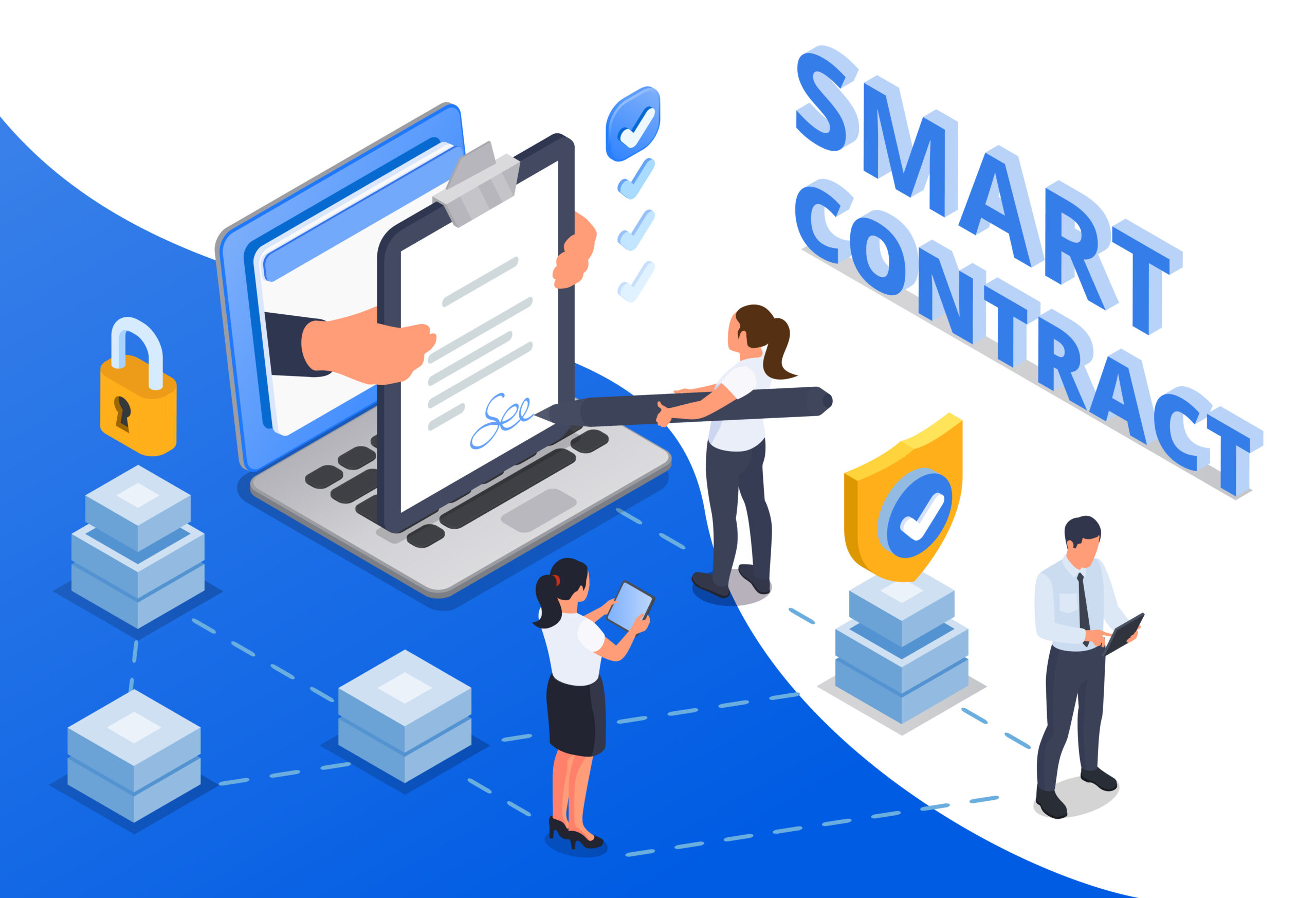
Smart contracts are one of the most powerful innovations to emerge from blockchain technology. Unlike traditional contracts that require human oversight, these digital agreements execute automatically when predefined conditions are met. As a result, they streamline business operations, reduce costs, eliminate errors, and significantly speed up transactions.
Below is a complete breakdown of how smart contracts work, why they matter, and where they’re being applied in 2025.
What Are Smart Contracts?
Smart contracts act like digital versions of traditional agreements—except they do not require intermediaries such as brokers, lawyers, or banks. The terms of the agreement are written directly into code on the blockchain, ensuring transparency and preventing tampering. Once the conditions are met, the contract executes itself without needing human input. This makes operations faster, more secure, and highly reliable.
Benefits of Smart Contracts for Businesses
Key Points:
-
Automation saves time
-
Eliminates middlemen
-
Prevents fraud
-
Reduces operational costs
-
Ensures transparency
-
Minimizes human error
Challenges of Smart Contracts
Despite benefits, they come with technical and legal challenges. Smart contracts are only as good as the code they’re written in—coding errors could lead to unexpected results. They also require integration with external data sources, known as “oracles,” which must be secure. Additionally, many countries are still updating legal frameworks to recognize smart contracts fully. However, as the technology matures, these challenges are gradually being addressed.
Conclusion
Smart contracts are redefining how businesses operate in 2025. By automating transactions, eliminating intermediaries, and increasing transparency, they significantly enhance efficiency across multiple industries. From insurance and real estate to supply chains and intellectual property, smart contracts are becoming essential tools for digital transformation. As blockchain adoption grows, smart contracts will play an even deeper role in powering automated, trustworthy business ecosystems.