
 Robert Alex
Consumer technology in 2025 is evolving at an incredible pace, redefining how people work, connect, and experience the digital world. The Future of Gadgets with rapid advancements in smartphones, wearables, smart home devices, and immersive technologies, everyday gadgets are becoming more intelligent, personalized, and seamlessly integrated into people’s lifestyles. Breakthroughs in artificial intelligence, faster connectivity, and innovative hardware design drive this transformation.
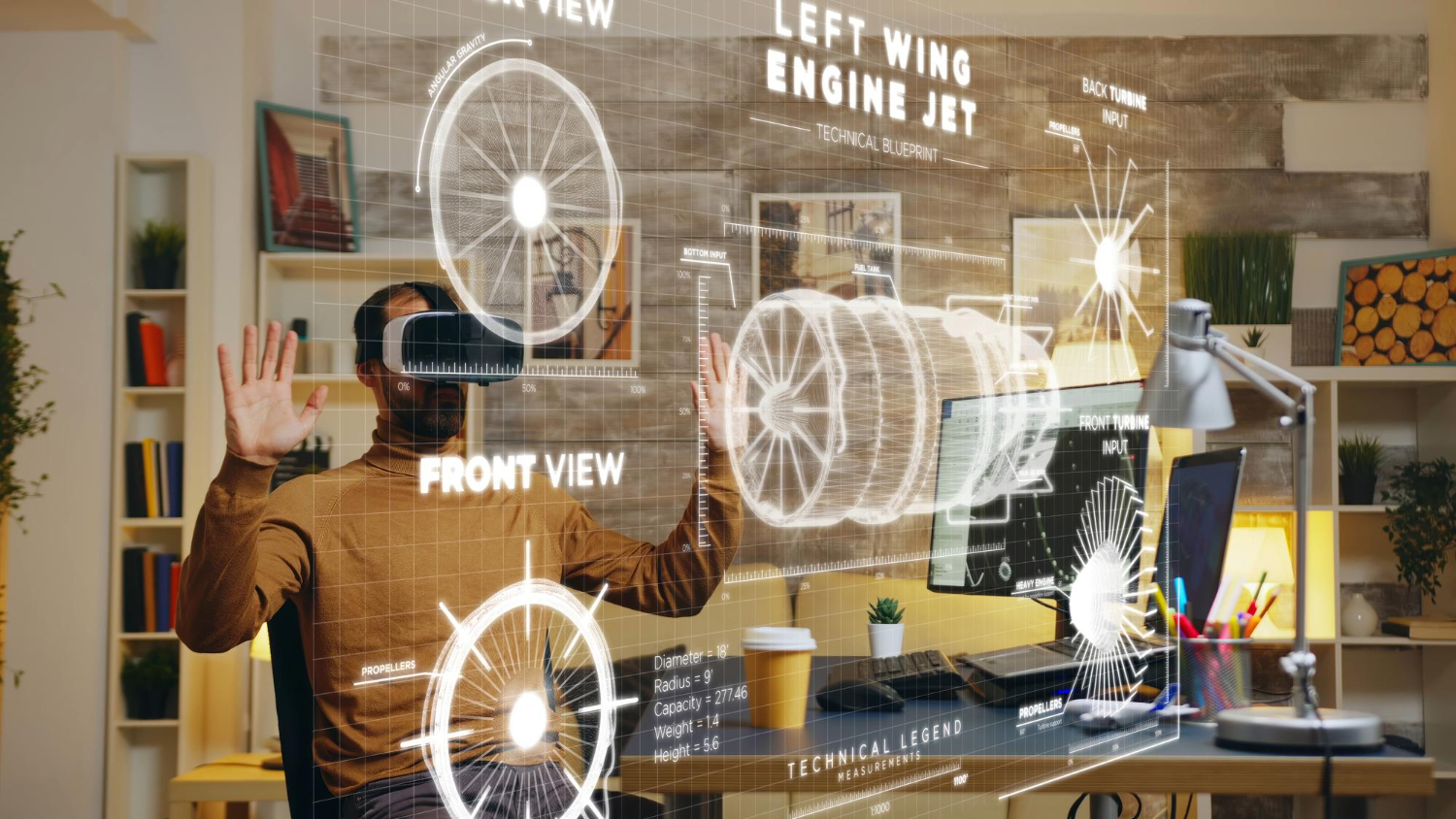
Wearable technology is also advancing, especially in health monitoring and wellness tracking. Smartwatches and fitness bands now include more accurate sensors capable of measuring blood oxygen levels, stress, sleep patterns, and early signs of illness. Many wearables can sync with medical platforms, allowing users to share real-time data with healthcare providers. Augmented reality (AR) glasses are emerging as the next wearable trend, offering hands-free navigation, instant information overlays, and immersive entertainment experiences.
Comparison Table: Consumer Tech Trends in 2025
| Category | Key Features in 2025 | Benefits | Challenges |
|---|---|---|---|
| Smartphones | Foldable displays, AI cameras, longer battery life, on-device AI | Better multitasking, improved photography, enhanced productivity | High cost, fragile folding mechanisms |
| Wearables | Health metrics, medical syncing, AR glasses | Better health insights, hands-free interaction | Privacy concerns, short battery life in AR devices |
| Smart Home Devices | AI assistants, smart appliances, intelligent security | Convenience, automation, energy savings | Requires strong network security |
| VR & Entertainment | Lightweight VR, spatial audio, cloud gaming | Immersive experiences, no need for powerful hardware | Limited VR content, motion sickness for some users |
| Connectivity & IoT | Fast 5G/6G, multi-device interconnectivity | Seamless performance, real-time data | More devices mean more security vulnerabilities |
| Sustainable Tech | Recycled materials, modular design | Eco-friendly, cost-saving on repairs | Limited availability, higher upfront cost |
The Future of Gadgets:
Sustainability is also becoming a core focus of the tech industry. Many companies are designing eco-friendly gadgets using recycled materials, energy-efficient components, and modular parts that can be repaired or upgraded instead of replaced. Users are increasingly choosing devices that reduce environmental impact without compromising performance or style.
Looking ahead, consumers can expect even more integration between AI, wearables, and smart home technologies. Devices will anticipate needs before users even express them, making daily life more seamless. The future of consumer tech is not just about more powerful gadgets — it’s about creating intelligent ecosystems that blend into everyday routines.